

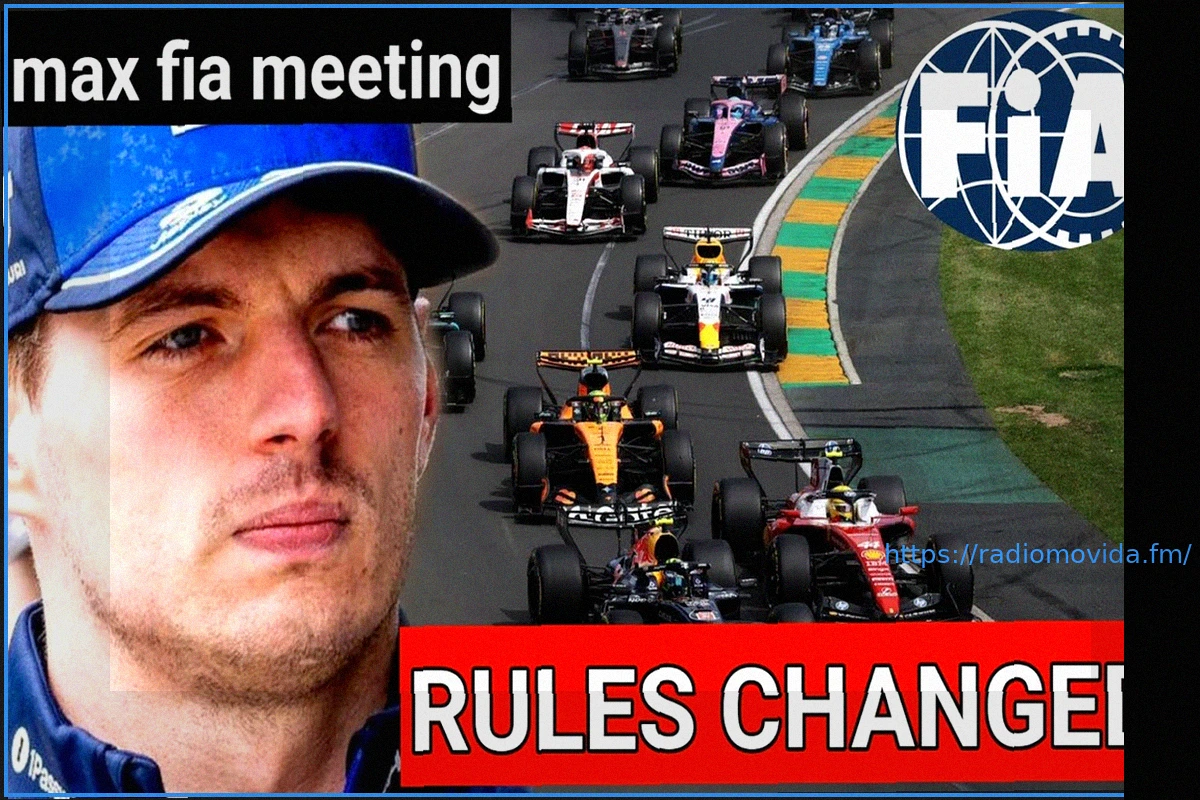
Following discussions with teams, drivers, and engine manufacturers, the FIA has introduced a series of rule modifications set to take effect from the Miami Grand Prix. These changes aim to tackle unforeseen issues, particularly concerning energy management during qualifying and the dynamics of overtaking during races.
A key area of focus has been energy recovery. In qualifying, the maximum recharge limit has been reduced from 9 MJ to 8 MJ, with further consideration for a drop to 7 MJ. This reduction is intended to encourage drivers to push their cars to the limit, rather than solely focusing on energy management. The FIA believes that a lower recharge limit per lap will extend the phase of energy usage, even if at a reduced level, thereby minimizing the impact of “superclipping” – a phenomenon where cars can lose performance. The maximum power recovered via superclipping has also been increased to 350 kW, matching that of “lift and coast,” which is designed to make strategic lifting of the throttle less advantageous and promote a more natural driving style.
For race scenarios, the FIA is looking to mitigate the effect of drivers being immediately overtaken after an overtake. To achieve this, the maximum boost has been capped at a 150 kW increase (or the car’s actual power if lower). This aims to create a more linear power profile, preventing sharp performance spikes and subsequent immediate declines. While performance differences between cars will persist, the advantage gained during an overtake will be less drastic, reducing the likelihood of immediate counter-overtakes.
Furthermore, new regulations for the MGU-K prioritize safety by limiting its power output. While maintaining 350 kW in crucial acceleration zones, it will be restricted to 250 kW on other parts of the track. This measure is designed to reduce speed differentials between cars and prevent incidents, without hindering overtaking opportunities.
Additionally, a system is being tested at Miami to address cars starting too slowly after clutch release. This system will automatically engage the MGU-K to ensure minimum acceleration, thereby reducing collision risks without conferring a sporting advantage. This is seen as a modern equivalent to the former MGU-H’s role in mitigating turbo lag at the start.
These adjustments do not represent a fundamental overhaul of the 2026 regulations but rather an attempt to refine rules that were perhaps overly optimistic or based on conflicting technical goals. The challenges observed in the initial races are attributed to the combination of lighter cars, smaller batteries, and increased electric power. The effectiveness of these modifications will be assessed during upcoming races.